Loading...
Serving Palm Coast, FL and surrounding areas. (386) 359-8098
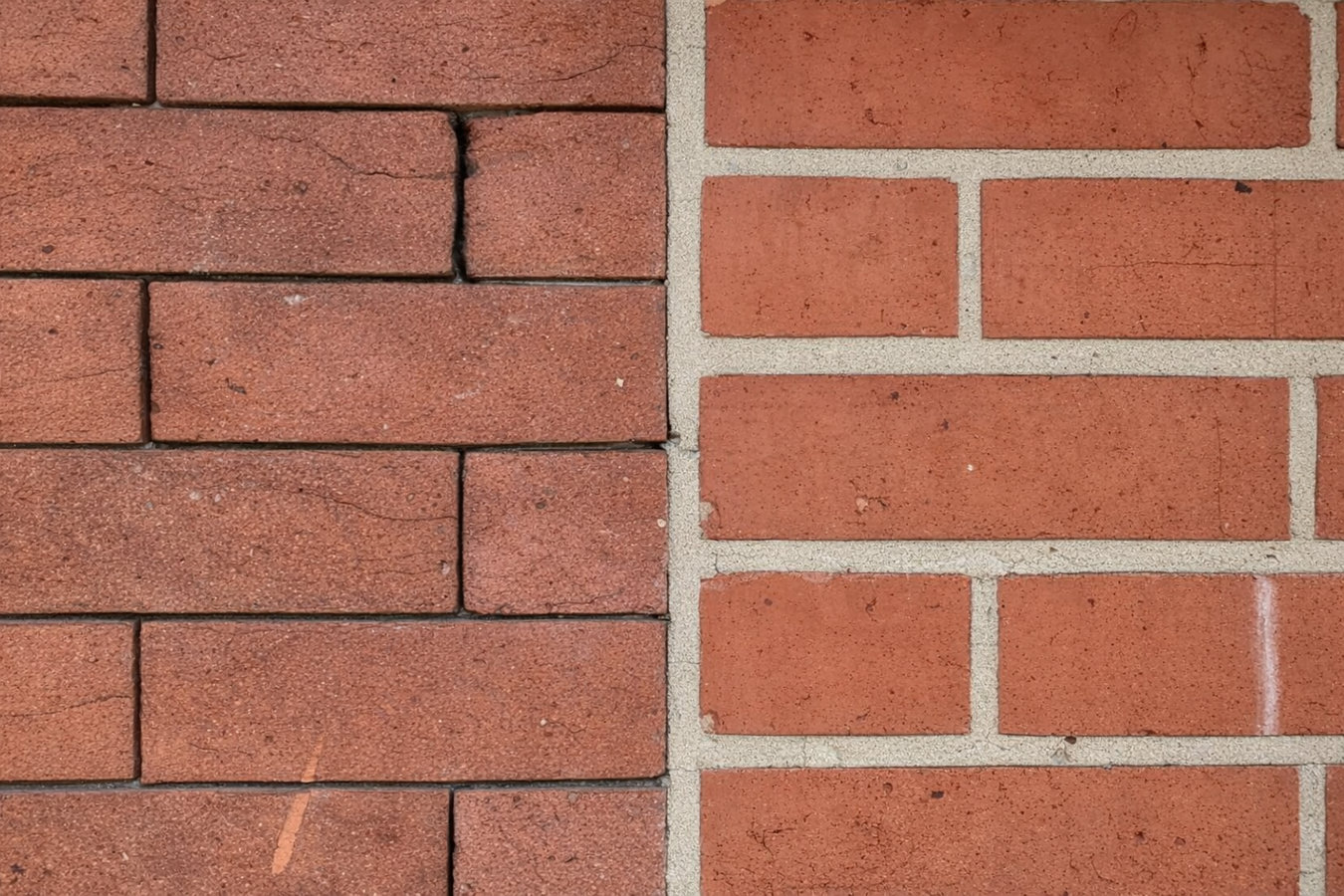
Failing mortar joints let Florida's summer rain into your walls - fresh pointing with the right mortar mix seals them before the damage spreads.
Brick pointing in Palm Coast is the process of removing old, deteriorated mortar from the joints between bricks and replacing it with fresh mortar to seal the wall against water intrusion. A chimney or short garden wall section can typically be completed in a single day, while a full exterior wall on a two-story home may take two to four days. Most standard repointing jobs do not require a Flagler County building permit, though larger structural repairs may.
Those mortar joints are not decorative - they are the first line of defense against water getting into your walls. When they fail, moisture can work its way behind the brick, reach wood framing, and cause damage that costs far more to fix than the pointing job would have. In Palm Coast's humid climate with roughly 50 to 55 inches of rain per year, deteriorating joints are not a slow problem - they let water in fast during summer thunderstorm season. If your masonry also has structural concerns beyond the joints, our masonry restoration service covers broader repair and rehabilitation work for brick, block, and stone structures.
Palm Coast Concrete and Masonry handles the full pointing process - assessment, joint preparation, mortar selection suited to coastal conditions, application, color matching, and a final walkthrough before we close out the job.
Run your eye along the mortar lines on your chimney, exterior wall, or garden feature. If you see gaps where mortar has fallen out, cracks running along the joints, or sections that look sandy and loose, the mortar is failing. You can also press gently on a joint with your finger - if it crumbles or powder comes off, it has lost its strength and needs replacing.
A chalky white residue on the surface of your bricks - called efflorescence - is a sign that water is moving through the wall and carrying dissolved salts to the surface. In Palm Coast's humid, salt-air environment, this is a common early warning sign that moisture is getting in through failing joints. It doesn't always mean the damage is severe yet, but it reliably signals that the mortar needs attention.
Chimneys take more weather exposure than any other masonry on a home - they sit at the top of the roof with no protection from rain or salt air. If the mortar on your chimney looks noticeably more worn or pitted compared to brickwork lower on the house, the chimney is almost certainly the first place that needs repointing. This is especially common on Palm Coast homes built in the 1980s where the original mortar has never been touched.
If you see water stains, damp patches, or peeling paint on interior walls that back up against a brick chimney or exterior brick section, water is likely getting in through the mortar joints outside. By the time moisture shows up inside, it has already been working its way through the wall for a while. Getting the exterior joints assessed and repaired quickly can prevent the damage from reaching wood framing or insulation.
Every tuckpointing job starts with a close inspection of the joints to determine how deep the deterioration has gone and whether any bricks need replacing before the new mortar goes in. We grind or chisel out the old mortar to the correct depth - roughly three-quarters of an inch - clean the joint, and pack in fresh mortar in layers, finishing the joint profile to match the original. Mortar selection matters here: if the mortar is harder than the brick, it forces stress into the brick face and can cause spalling over time. According to the Brick Industry Association, a mortar that is slightly softer than the brick is the industry standard for repointing - and it is one of the most common things done wrong by contractors who don't specialize in masonry. For homes where the brickwork also has cracks, shifted sections, or damage beyond the joints, our foundation repair service can assess whether any movement at the base is contributing to the pattern of damage before we close out the pointing work.
We also handle color matching. Fresh mortar always looks lighter right after application - that is normal and evens out as it cures over several weeks. We select mortar mixes formulated to match the existing joint color as closely as possible once cured. If you live in one of Palm Coast's HOA communities and appearance consistency matters for compliance, we can do a test patch in an inconspicuous area before committing to the full job. Work can be done on chimneys, exterior walls, garden features, decorative brick columns, and entry features - any surface where mortar joints have deteriorated.
For chimneys that take direct exposure to rain, sun, and Atlantic salt air - the most common first place original mortar fails on Palm Coast homes.
For sections of exterior brick or block where joints are crumbling, gapped, or showing signs of water intrusion before the damage reaches the interior wall.
For older garden walls, raised borders, and decorative columns where mortar has softened from years of rain and humidity exposure.
For brick gate posts, mailbox surrounds, and decorative entry features where the joint quality is visible from the street and HOA appearance standards apply.
Two conditions make mortar joint maintenance more urgent here than in most of the country. First, Palm Coast receives 50 to 55 inches of rain per year, concentrated in the summer months when afternoon thunderstorms are nearly daily. Fresh water drives into any gap or crack in a mortar joint and works its way through the wall. Second, salt air from the Atlantic coast reaches neighborhoods across Palm Coast year-round. Salt particles settle into tiny surface cracks and expand as they absorb moisture, pushing mortar apart from the inside. Joints that might last 25 to 30 years in a dry inland climate often start failing in 15 to 20 years here. Homeowners near Flagler Beach deal with the most direct salt air exposure, but the effect reaches well into the residential sections of Palm Coast.
The housing stock adds another layer of urgency. Palm Coast saw heavy residential development in the 1980s and 1990s, which means a large portion of homes with brick chimneys, decorative brick facades, and garden walls are now 30 to 40 years old - right at the age when original mortar commonly begins to fail. If you own a home from that era and the mortar has never been inspected, there is a meaningful chance it is already past due. Homeowners in Palm Coast and the surrounding Flagler County area benefit from working with a mason who understands both the local climate conditions and the age profile of the housing stock - because those two things together define when and how urgently this work needs to happen.
Tell us what type of structure needs work and roughly how large the area is. We will respond within one business day to schedule a free on-site estimate - no charge, no obligation to book.
We walk the structure and look closely at mortar joint depth, brick condition, and any signs of water damage or movement. You receive a written estimate covering scope, mortar selection, and expected timeline - including whether any bricks need replacing before pointing begins.
You do not need to leave your home. Move patio furniture, potted plants, or vehicles away from the work zone so the crew has clear access and nothing gets covered in mortar dust. If the work involves a chimney, close the fireplace damper before the crew arrives.
We grind out old mortar, pack in fresh mortar in layers, and finish the joint profile to match the original. Once complete, we walk you through the finished work and explain the curing window - typically 24 to 48 hours before rain contact and up to 28 days to full strength. Ask about any areas you cannot easily see yourself.
Free written estimate. No pressure. We respond within one business day.
Standard mortar mixes are not designed for Palm Coast's combination of year-round humidity and salt air exposure. We select mortar formulations that hold up in coastal Florida environments - so you are not calling us back in five years because the joints have started failing again.
Good pointing work depends on joint preparation as much as mortar selection. We grind out old mortar to the correct depth before packing in new material - a step that is easy to skip and impossible to undo without redoing the whole job. Skipping it is one of the most common reasons repointing fails early.
A large share of homes in Palm Coast with brick features were built during that era, and original mortar from those years is now at or past the end of its expected lifespan in a coastal climate. We know what to look for on homes of that age and can tell you honestly what needs work now and what can wait.
Palm Coast has dozens of HOA-governed neighborhoods, and exterior masonry work can attract association scrutiny. We take care with mortar color matching and joint finish so the work looks consistent - and we can document the job for your HOA records if your association requires it.
Every one of these points reflects what actually goes wrong with pointing jobs in Palm Coast - wrong mortar hardness, shallow joint prep, or a contractor who does not know how quickly coastal conditions undo shortcuts. You can verify any Florida masonry contractor's license status through the Florida Department of Business and Professional Regulation before you sign anything - it takes about 30 seconds and tells you whether a contractor has met the state's minimum standards.
Structural assessment and repair for foundations showing cracks, settling, or moisture damage - addressing the underlying cause before new mortar work is applied.
Learn MoreFull rehabilitation of deteriorated brick and stone structures that need more than joint repair - including spalled brick replacement, crack repair, and surface treatment.
Learn MoreBeat the rainy season - get your mortar joints sealed before summer storms arrive and the damage gets worse.