Loading...
Serving Palm Coast, FL and surrounding areas. (386) 359-8098
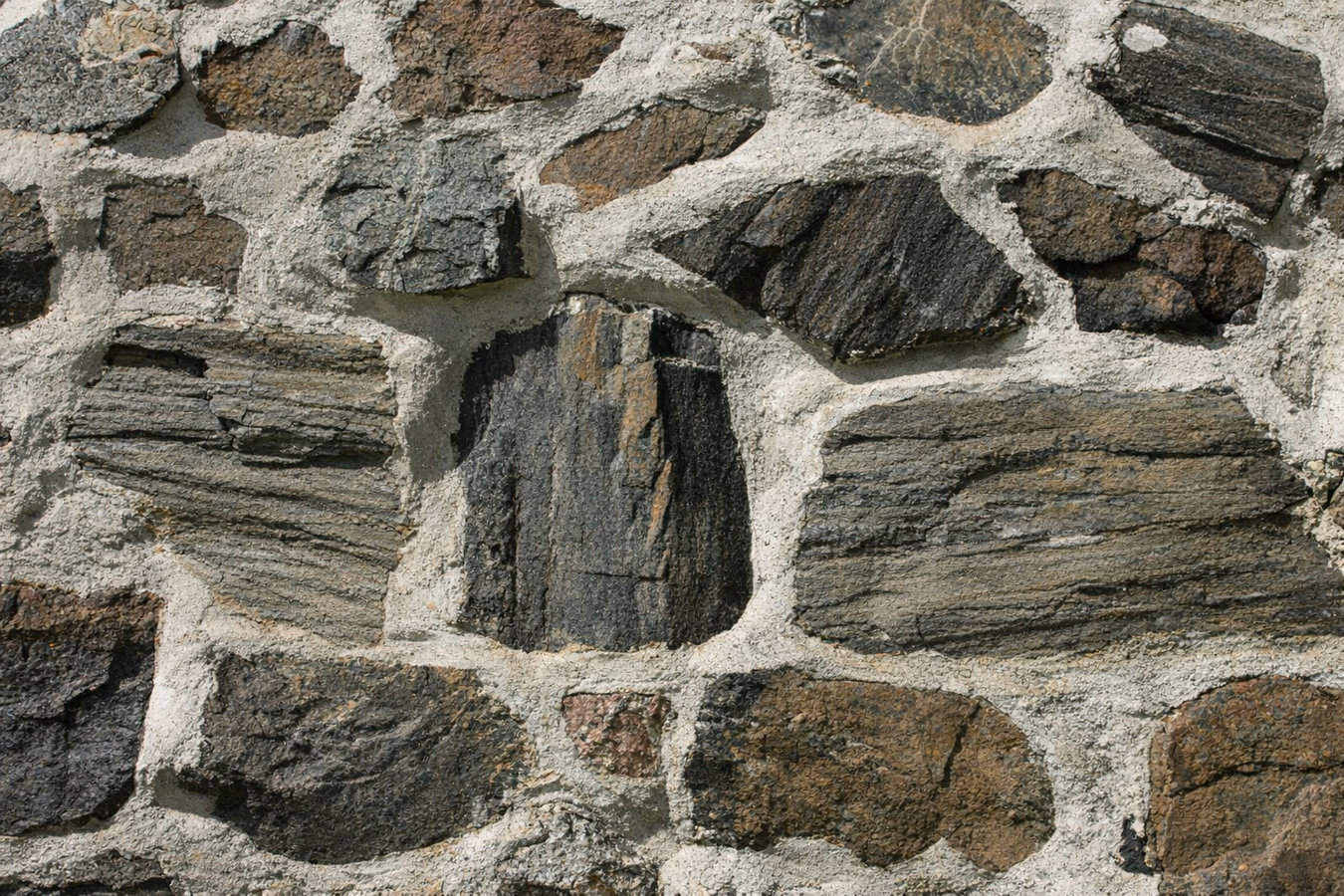
Sandy soil and coastal humidity punish stone work that cuts corners on base prep and mortar - we don't skip those steps.
Stone masonry in Palm Coast means cutting, fitting, and setting natural or manufactured stone with mortar to build walls, steps, columns, garden borders, and decorative features that hold up in Florida's wet climate. Most residential projects take one day to two weeks depending on scope, and structural work requires a Flagler County building permit before the first stone goes in.
The part most homeowners don't see is the part that determines whether the finished work lasts five years or fifty: base preparation. Palm Coast sits on sandy coastal soil that doesn't hold weight the way firmer ground does. A mason who digs to stable ground and adds a compacted gravel base is doing it right. One who skips that step to save time is setting up a wall that will shift and crack after the first rainy season. If you're also interested in updating the look of a home exterior, our stone veneer installation service covers lightweight stone panels that work well on vertical surfaces without the full weight of natural stone construction.
Palm Coast Concrete and Masonry handles every part of the process - site assessment, permit filing with Flagler County, excavation and base work, stone setting, mortar work, and final walkthrough with the homeowner before we close out the job.
A wall that tilts or bulges outward is telling you that pressure is building behind it. In Palm Coast's sandy soil, water has nowhere to drain after a heavy rain, and that pressure can push a wall out of alignment surprisingly fast. Catching a leaning wall early often means a repair instead of a full rebuild - the difference can be significant in both time and cost.
That white residue is called efflorescence. It appears when water moves through masonry and carries dissolved minerals to the surface. In Palm Coast's humid, rainy climate, this is a common sign that water is getting into mortar joints and working through the stone. It signals a problem worth having a mason look at before moisture begins softening and cracking the mortar from the inside.
Run your finger along the joints between stones on an older wall or outdoor feature. If the mortar feels soft, flakes off easily, or has visible gaps, it is no longer doing its job of keeping water out. Left alone, water gets in, the damage spreads, and what could have been a simple repair turns into a much larger project. This is especially common on stone features that have not been inspected in several years.
Uneven stones are a trip hazard, but they also signal that the base underneath has moved. In Palm Coast, sandy soil can shift after heavy rain events during the wet season, causing the compacted base under stone work to settle unevenly. A mason can re-level individual stones and address the base issue before the problem spreads to the rest of the surface.
Our stone masonry work covers both structural and decorative projects. On the structural side, we build and repair retaining walls that hold back soil on sloped or canal-adjacent lots, garden borders that frame planting areas, and outdoor columns that anchor gates or pergola structures. Every structural project includes proper footing depth for Palm Coast's sandy soil and drainage details behind retaining walls so water moves through rather than building up pressure. For jobs that also require mortar joint repair on existing stone features, our brick pointing service handles repointing work on stone and brick surfaces at the same time, so the whole property gets attention in one visit.
On the decorative side, we install natural and manufactured stone on home exteriors, fireplace surrounds, outdoor kitchen walls, and accent features. Manufactured stone veneer is lighter, less expensive, and easier to install on vertical surfaces, while natural stone is denser and more durable for ground-level structural applications. According to the Mason Contractors Association of America, proper mortar selection for the local climate is one of the most critical factors in how long stone masonry lasts - and it is something we address specifically for Flagler County's coastal conditions. We also help homeowners navigate HOA design review requirements before designs are finalized, so the work complies with neighborhood guidelines from the start.
For sloped yards, canal-adjacent lots, or anywhere soil needs to be held back - built with proper drainage so water pressure doesn't cause the wall to fail.
For homeowners who want a permanent, low-maintenance way to define planting areas and add structure to a flat Florida yard.
For home facades, fireplace surrounds, and outdoor kitchen walls where the goal is a stone appearance without the full weight of natural stone construction.
For gate posts, pergola anchors, mailbox surrounds, and other freestanding features that need to look good and hold up to Florida weather year after year.
Palm Coast gets roughly 52 inches of rain per year, and the air stays humid well into the dry season. That constant moisture works its way into mortar joints faster than it does in a drier climate, which is why drainage details and mortar quality matter more here than almost anywhere else in the country. Add salt air from the Atlantic - Palm Coast is less than five miles from the coast - and some standard mortar mixes and softer stone types simply won't hold up. A masonry worker who works regularly in Flagler County knows which materials perform in these conditions. One who doesn't will leave you with stone work that starts failing within a few years. Homeowners near Flagler Beach face the most direct salt air exposure, but properties across all of Palm Coast deal with humidity levels that most stone types were not designed to resist without proper sealing and mortar selection.
Soil conditions add a second layer of complexity. Palm Coast was built on sandy coastal substrate that shifts as it absorbs and releases moisture through wet and dry cycles. Without a deep, properly compacted gravel base under any stone structure, that movement will cause settling and cracking - usually within one or two rainy seasons. This is the detail that separates a wall that lasts from one that doesn't, and it is the first question we answer on every site visit. Homeowners in Bunnell and other parts of Flagler County share the same sandy soil profile, and we bring the same base preparation approach to every job we take on across the region.
Tell us what you are trying to build or repair, and we will respond within one business day to schedule your free on-site estimate. There is no charge for the visit and no obligation to book.
We visit your property, check soil conditions, measure the area, and review any existing stone features. You receive a written estimate that separates labor and materials - no single lump-sum numbers with no detail.
For structural work we apply for the Flagler County building permit on your behalf, which typically adds one to three weeks before work can begin. If your neighborhood has an HOA, we walk you through the approval process so it doesn't become a surprise obstacle.
We excavate to stable ground, lay the compacted gravel base, set the stone with mortar, and clean up the site completely. Before we leave, we walk you through the finished work and explain the curing period - typically 28 days during which you should avoid heavy loads and pressure washing.
Free written estimate. No pressure. We respond within one business day.
Structural stone work in Palm Coast requires a Flagler County building permit, and we file it on your behalf. That means a county inspector reviews the finished work - giving you an independent record that the job was done correctly, which matters if you ever sell your home or make an insurance claim.
Standard mortar mixes are not designed for the combination of salt air and year-round humidity that Palm Coast delivers. We select mortar formulations that hold up in coastal environments so you are not paying for the same repair twice a few years down the road.
Every stone structure we build starts with excavation to stable ground and a properly compacted gravel base sized for Palm Coast's sandy substrate. This is the step that determines whether your wall lasts or shifts and cracks after the first wet season - and it is the first thing we verify on every site visit.
Palm Coast was developed as a planned community, and many neighborhoods have active HOA architectural guidelines covering exterior masonry. We check your HOA rules before designs are finalized and can help you prepare the approval documentation your association requires - so the project doesn't stall after you've already committed to it.
Every one of these points comes back to the same idea: stone masonry in Palm Coast is not the same job it would be somewhere inland, and we have built enough projects here to know exactly where the shortcuts lead. The Flagler County Building Department maintains permit records for all structural work in the county - a record you want on your side when it counts.
Mortar joint restoration for existing brick and stone surfaces - stops water intrusion before it causes larger structural damage.
Learn MoreLightweight manufactured stone panels applied to home exteriors, fireplace surrounds, and outdoor walls for a natural stone look at a lower installed weight.
Learn MoreOur calendar fills fast heading into fall - the best season for masonry work in Flagler County. Reach out now to hold your spot.