Loading...
Serving Palm Coast, FL and surrounding areas. (386) 359-8098
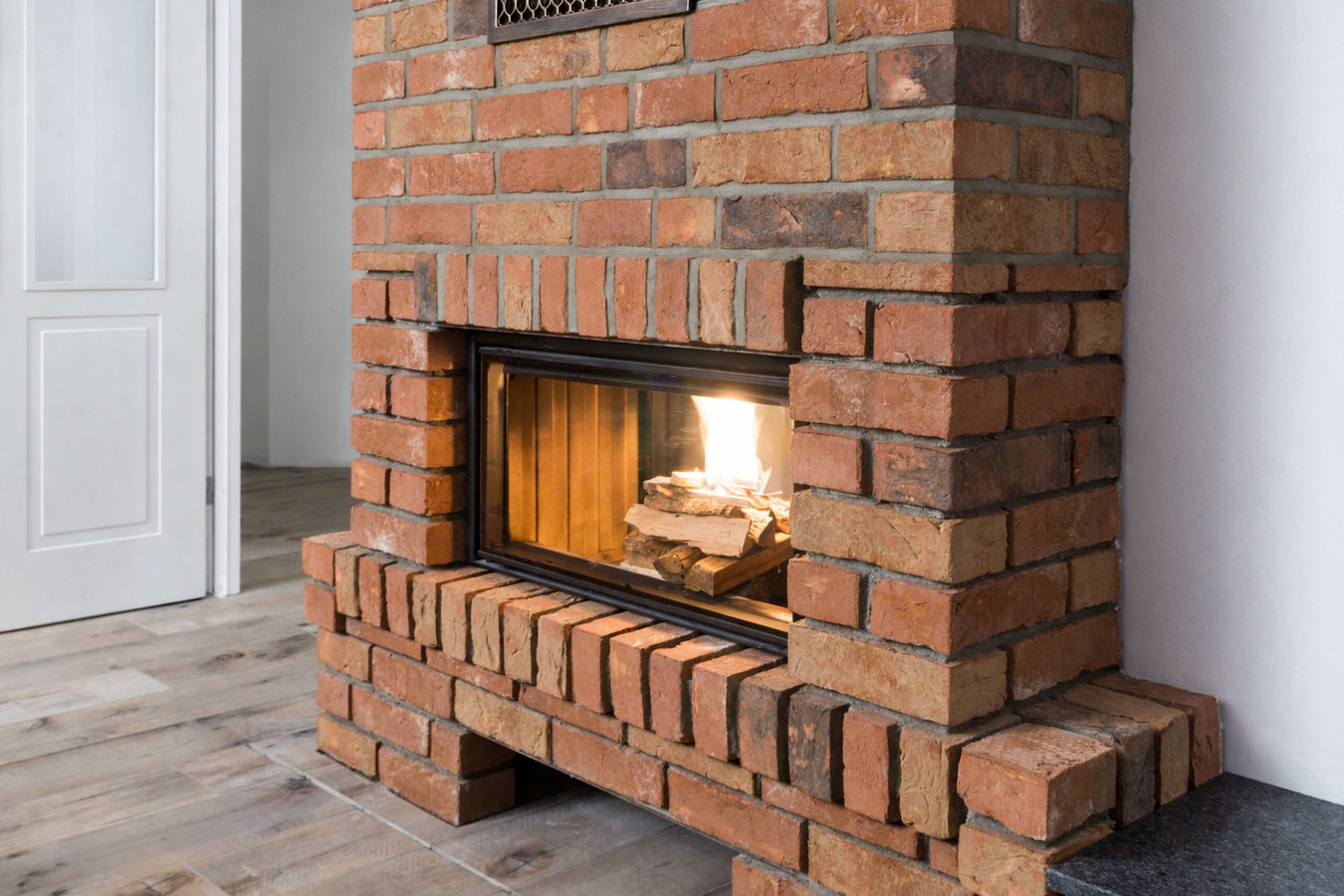
Gas, wood-burning, or outdoor masonry fireplace - we design, build, and permit fireplace projects that hold up in Palm Coast coastal climate.
Fireplace installation in Palm Coast means choosing the right type for a mild coastal climate, pulling the required Flagler County permit, and engineering the footing for sandy soil - most projects take four to six weeks from first call to first fire.
Palm Coast winters are short but real, with overnight lows dipping into the mid-40s from December through February. A fireplace - especially an outdoor one on a patio or lanai - turns those cooler evenings into usable time outside instead of a reason to stay in. The city outdoor lifestyle is one of the strongest arguments for an outdoor masonry fireplace here, where you can get genuine use out of it from November through March.
A fireplace installation is a multi-trade project, and getting permits right from the start matters. For homes that already have an existing fireplace showing signs of wear or damage, a chimney repair inspection first can help determine whether restoration or a new installation is the better path.
If your screened lanai or back patio goes quiet from November through February, an outdoor fireplace can extend your season by months. Palm Coast winters are mild enough that a fire feature makes those evenings genuinely comfortable rather than just tolerable.
Some Palm Coast homes - particularly those built in the 1980s and 1990s - have fireplace openings or chase structures that were roughed in but never finished, or older wood-burning units that have not been used in years. A masonry contractor can assess whether a conversion or rebuild makes more sense.
In Palm Coast humid, salt-air environment, masonry deteriorates faster than in drier climates. White chalky deposits on brick or stone mean moisture is moving through the masonry. Rust streaks around metal components mean water is getting in. These are warning signs that need professional attention.
Palm Coast real estate market has grown significantly, and buyers respond to fireplace features - especially outdoor ones that complement Florida indoor-outdoor lifestyle. A well-built fireplace is one of the few masonry projects that adds both lifestyle value and market appeal at resale.
We build gas fireplaces, wood-burning masonry fireplaces, and outdoor fire features for Palm Coast homeowners. Every indoor installation includes coordination with a licensed plumber if a gas line needs to be run, and we handle the full Flagler County permit process on your behalf. For outdoor projects, we engineer the concrete footing to handle Palm Coast sandy soil - a detail that separates a fireplace that stays solid from one that starts settling within a few years.
A fireplace project often opens up the opportunity to finish the surrounding space as well. Many homeowners pair a new outdoor fireplace with stone veneer installation on the surround and adjacent walls to create a finished outdoor living area. We coordinate the masonry scope from start to finish so you are not managing multiple contractors.
Best for homeowners who want quick, controllable heat and ambiance indoors without managing wood or cleaning a traditional chimney.
Best for homeowners with a patio or lanai who want to extend their outdoor season through Palm Coast cool winter months.
Best for homeowners who want a traditional full masonry firebox and chimney and are prepared for the longer build timeline and higher investment.
Best for homeowners who have an existing firebox or insert and want a finished masonry surround, mantel, or hearth built around it.
Two factors shape nearly every fireplace installation in Palm Coast in ways that do not apply to most other Florida cities. First, the sandy coastal soil does not support heavy masonry loads the way clay or rock-based soils do, so every outdoor fireplace needs a properly engineered concrete footing - a step that some contractors skip or undersize. Second, the salt air and humidity that come with living close to the Atlantic accelerate wear on both masonry and metal components. The materials and sealants used here need to be rated for coastal conditions, not just standard residential use.
Palm Coast was also developed largely as a planned community by ITT Corporation, and many neighborhoods - including those in Palm Harbor and Cypress Knoll - have HOA architectural review processes that apply to outdoor additions. Homeowners in Flagler Beach face the same salt-air exposure with even more direct coastal proximity. Homeowners across the area, including those in St. Augustine, bring similar concerns about coastal-rated materials and permit processes when planning a masonry fireplace.
We ask a few basic questions about the type of fireplace you are considering and where on the property it would go, then schedule an on-site visit. We respond within one business day. You do not need to have your decision made yet - the visit is where we help you work through the options.
During the visit we look at soil conditions, access for gas lines if needed, HOA requirements, and the Flagler County permit requirements for your specific project. You receive a written estimate covering labor, materials, and permit fees - no verbal-only quotes.
We submit the permit application to the Flagler County Building Department on your behalf. This typically takes one to three weeks. You should not need to visit any government office - we handle the paperwork and notify you when the permit is approved.
Installation takes one to five days depending on complexity. A Flagler County inspector visits after work is complete to sign off on the installation - we schedule this and are present for it. We then walk you through the finished fireplace and cover first-use and maintenance details before we leave.
Written estimates that cover everything - labor, materials, and permit fees. No surprise costs, no pressure. We respond within one business day.
The Flagler County Building Department requires a permit for every fireplace installation, and we handle the application on your behalf. A permitted fireplace is documented, inspected by a county inspector, and fully legal at resale - skipping this step creates real problems down the road.
Palm Coast sandy coastal soil does not support heavy masonry loads the way firmer soils do. We size and reinforce the concrete footing for every outdoor masonry fireplace based on the specific load and local soil conditions. This is the detail that determines whether the structure stays level in five years.
Salt air and humidity from the Atlantic accelerate rust on metal components and degradation of mortar faster than in drier climates. We specify materials and sealants suited to this specific environment, following guidance from organizations like the Chimney Safety Institute of America and the National Fire Protection Association.
Many Palm Coast neighborhoods have architectural review requirements for exterior additions, and we check those requirements before work begins. You do not want to face a stop-work order after footings are already poured. We know how local HOAs operate and factor that into every outdoor fireplace project.
Permits, footings, and coastal-rated materials are the three things that separate a fireplace installation that holds up from one that causes problems. We build every project around all three so that you are not dealing with inspections, repairs, or HOA complaints after the crew has left.
Finish the surround, mantel face, or adjacent walls of your new fireplace with natural or manufactured stone veneer for a complete outdoor living space.
Learn MoreIf your existing fireplace has a damaged or deteriorating chimney, repair it before investing in a new installation or conversion.
Learn MoreFall is the busiest time for fireplace installations in Palm Coast - contact us now and we will get your permit application started before the schedule fills.