Loading...
Serving Palm Coast, FL and surrounding areas. (386) 359-8098
Cracked bricks and failing mortar joints get worse fast in Palm Coast's heat and humidity. We assess the damage honestly, replace only what needs replacing, and match the color so the repair blends in.
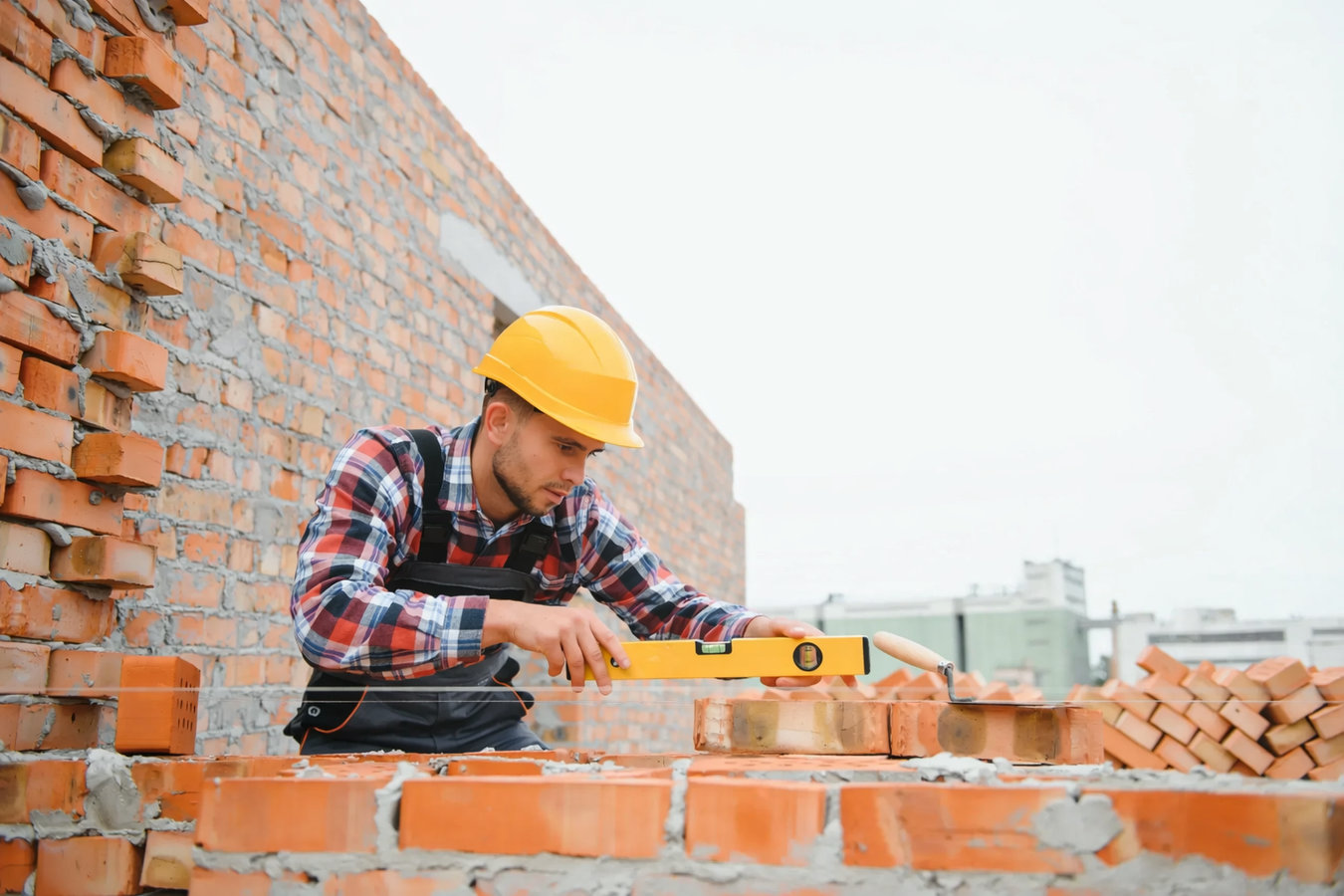
Brick repair in Palm Coast covers a range of fixes - replacing cracked or crumbling bricks, refilling failing mortar joints, and correcting bricks that have shifted away from a wall. Most small to medium jobs take one to two days, and a proper repair blends with the surrounding brickwork so you can barely tell work was done.
The challenge in Palm Coast is that the local climate - subtropical heat, daily summer rain, and salt air from the Atlantic and Intracoastal - accelerates the breakdown of mortar and brick faster than most homeowners expect. A small crack or a few missing mortar joints might look minor in March but can become a real problem by October if left through a wet summer. Most homes in Palm Coast were built during the big ITT development push of the 1970s through 1990s, which means a lot of exterior masonry is now 30 to 50 years old and entering the window where repairs become routine.
If the joints are the primary issue rather than the bricks themselves, we may recommend tuckpointing as the more targeted fix. We assess both in the same visit so you get the right recommendation, not the bigger one.
If you notice a chalky white film or streaks on your brick wall, steps, or mailbox column, moisture is moving through the material and leaving mineral deposits behind. In Palm Coast, this is especially common on surfaces exposed to salt air from the Intracoastal or the ocean. It usually means the mortar joints have started to break down - even if you cannot see a visible crack yet.
Run your finger along the lines between your bricks. If the material feels soft, sandy, or comes away easily, the mortar has reached the end of its life. In Palm Coast's humid climate, mortar tends to break down faster than in drier parts of the country, so this is worth checking every few years - especially on older homes built in the 1980s and 1990s when the city was first developed.
Hairline cracks are often cosmetic, but cracks wider than a pencil tip or running diagonally across a wall are worth having assessed. Palm Coast's sandy soil can shift slightly after heavy rain, and that movement shows up as cracking in brick walls, retaining features, or steps. If a crack has grown since you first noticed it, the underlying movement has not stopped.
When the face of a brick starts to flake off in thin layers, it is called spalling. This happens when water gets inside the brick and pushes the surface apart during temperature changes. Florida does not get hard freezes often, but intense summer heat, heavy rain, and occasional cold snaps are enough to cause this over time - especially on older or lower-quality bricks.
We handle the full range of brick repair work: mortar joint repointing, individual brick replacement, crack filling and stabilization, and spall repair where the face of a brick has broken away. Where a brick can be stabilized without removal we do that - replacing only what is necessary keeps costs down and preserves the original look of your home. If the joint work is the primary need, that falls under our tuckpointing service, which uses the same careful technique focused specifically on mortar joints.
Color and texture matching is a core part of what makes a repair worth doing. We select replacement bricks and mortar that match your existing surfaces, and we finish joints to a consistent texture so the repair does not stand out. If you are in one of Palm Coast's HOA communities, we understand that the work needs to hold up to association inspection - not just look acceptable from the street. For large-scale exterior work that goes beyond individual brick repairs, we can also discuss our driveway pavers and other exterior masonry options as part of a broader upgrade.
For walls, chimneys, or decorative features where the mortar has softened or pulled away but the bricks themselves are structurally intact.
For bricks that are cracked through, spalling, or no longer sitting flush - removed and replaced with color-matched material.
For cracks that have not compromised structural integrity but need to be sealed before moisture accelerates the damage further.
Mailbox columns, entry pillars, garden walls, and exterior accents where appearance standards - including HOA requirements - apply.
Palm Coast was built largely on sandy, low-lying land that was part of the Intracoastal Waterway's drainage basin. Sandy soil does not hold its position the way clay or compacted fill does - it shifts slightly with moisture changes and can settle unevenly under heavy structures. For homeowners, this means brick walls, steps, and retaining features are more likely to show cracking or movement over time than they would in a city built on firmer ground. If your property backs up to one of Palm Coast's canals, the soil near the wall is likely wetter and softer than average, which increases that risk. Homeowners in St. Augustine face similar conditions with older brick construction, and we serve that area as well.
The salt air from the Atlantic and Intracoastal adds another layer of stress. Salt carried in the air accelerates the breakdown of mortar and causes efflorescence - the white powdery residue on brick surfaces - to appear more frequently than in inland Florida. Homeowners in neighborhoods closer to the water tend to see this more often and may need repairs on a shorter cycle. Scheduling brick repair before June - when the wet season typically begins - gives the new mortar the best chance to cure fully before it faces its first real test. The Brick Industry Association provides technical guidance on mortar selection for coastal and high-humidity environments that informs how we specify repairs in this market. Homeowners in Ormond Beach face a similar coastal exposure profile, and we carry those same material standards to every job across the service area.
When you call or message us, we ask a few basic questions - what is damaged, where it is on your property, and roughly how large the affected area is. A photo or two of the damage is usually enough to get the conversation started. We respond within 1 business day and can typically schedule an on-site estimate within a few days.
We walk the damaged area with you and look at things you might not have noticed - whether nearby mortar joints are also starting to fail, or whether there is any sign of soil movement underneath. You get a written estimate that explains what needs to be done and why. We will tell you in plain terms, and we will also tell you if some areas are fine and do not need work.
The crew removes damaged or loose material first - some noise from chisels and grinders for an hour or two. Then they clean the surface, apply new mortar or replacement bricks, and tool the joints to match the existing texture. We take color matching seriously, because a repair that stands out like a patch is not really a repair. Most residential repairs in Palm Coast finish in a single day.
Before the crew leaves, we walk the repair with you. Look at the color match, the texture of the joints, and the overall cleanliness of the surface. If anything looks off, point it out on the spot - we want you satisfied before we go. Fresh mortar in Palm Coast's climate needs at least 24 to 48 hours before it gets wet. We give you specific guidance, and if rain is in the forecast we tell you the plan.
Free estimate. No obligation. We respond within 1 business day.
We use mortar mixes and replacement materials that stand up to Palm Coast's humidity, summer storms, and salt air - not standard products that will fail sooner in this environment. What you get is a repair that holds through rainy season rather than one that looks good for six months.
We assess the full condition of your masonry and tell you exactly what we see - including which areas do not need work. If your job is smaller than you feared, we will tell you. That kind of straight talk is what makes homeowners call us back for the next job.
Palm Coast's HOA-governed neighborhoods - including Palm Harbor, Cypress Knolls, and Grand Haven communities - often have exterior appearance requirements. We match mortar color and brick texture carefully so your repair meets community standards and you are not redoing the work on the association's timeline.
When a repair involves a structural element or a wall that holds back soil, Flagler County requires a permit. We know which category your job falls into and pull any required permits before starting. That record protects you when you sell - no permit issues waiting to derail a closing.
The combination of climate knowledge, honest assessment, and careful color matching is what separates a repair that lasts from one that needs to be redone in two years. You can verify our Florida state masonry contractor license on the Florida DBPR website before you sign anything - a licensed contractor has passed Florida's trade exam, carries required insurance, and is accountable to the state if something goes wrong.
Upgrade or repair your driveway surface with durable pavers that handle Palm Coast's shifting sandy soil.
Learn MoreRestore deteriorated mortar joints on chimneys, walls, and decorative features before water gets behind the surface.
Learn MorePalm Coast's wet season arrives fast - lock in your repair date now and give the mortar time to cure before the summer storms hit.