Loading...
Serving Palm Coast, FL and surrounding areas. (386) 359-8098
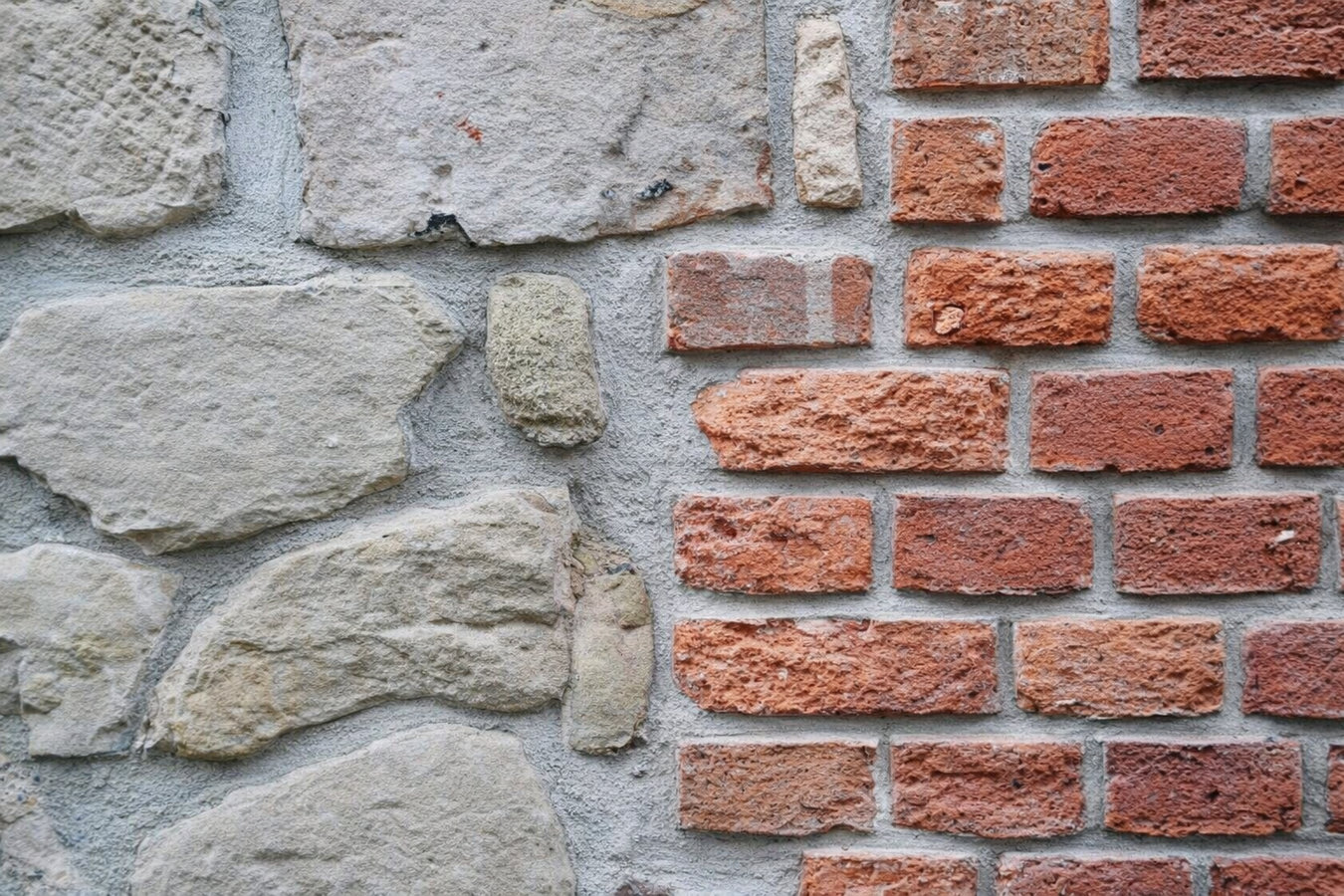
Crumbling mortar, spalling block, or white stains on your walls? We repair, clean, and seal masonry surfaces so your home holds up against Palm Coast weather for years.
Masonry restoration in Palm Coast involves repairing, cleaning, and sealing brick, block, or stone surfaces that have started to crack, crumble, or show moisture damage - most residential jobs take one to three days of work.
Most Palm Coast homes were built during the big ITT development push of the 1970s and 1980s, which means a lot of exterior masonry is now 40 to 50 years old. The combination of age and Florida coastal conditions - salt air, heavy summer rain, and sandy soil that shifts under walls - speeds up the breakdown of mortar and block surfaces in ways that homeowners inland simply do not deal with.
Masonry restoration is not the same as a full rebuild. A skilled contractor works to save what is already there, which is almost always less expensive and less disruptive. If your walls also have structural issues, tuckpointing is one of the most targeted repairs available for failing mortar joints.
A chalky white residue forming on exterior block or brick means moisture is moving through the material and leaving mineral deposits behind. In Palm Coast, salt air and high humidity make this especially common. It is an early warning - the masonry is not failing yet, but water is getting in and the clock is ticking.
Run your finger along the joints between your bricks or blocks. If the material feels soft, sandy, or crumbles away easily, it is no longer doing its job. Once those joints open up, Palm Coast rainy season rain can work straight into the wall. This is one of the most fixable masonry problems, but it worsens quickly if ignored.
Hairline cracks can be normal settling, but cracks wider than a pencil tip, diagonal runs, or cracks that appear to be growing are worth having a professional assess. In Palm Coast sandy soil, slight ground movement is common and masonry walls can shift and crack as the ground beneath them settles.
Small chips or flakes of brick or block falling away from the surface mean that salt or moisture has gotten deep enough to push the material apart from inside - this is called spalling. It is particularly common on walls that face the ocean breeze. Once spalling starts, it tends to spread because the exposed interior is even more vulnerable.
We handle the full range of residential masonry restoration in Palm Coast - from repointing worn mortar joints and patching spalled block surfaces to cleaning off efflorescence and applying breathable sealants that keep moisture and salt from working back in. For homeowners who have noticed orange or white staining in addition to surface damage, our work pairs naturally with fireplace installation projects that involve masonry rebuilding around fireboxes and surrounds.
We also carry out tuckpointing as a standalone service when the block or brick itself is still sound but the mortar between joints has broken down. Each project gets a written scope of work before any tool hits the wall, so you know exactly what is being done and why.
Best for homeowners whose block or brick is still structurally sound but whose mortar joints have softened, crumbled, or opened up.
Best for walls where chips or sections of surface material have broken away, leaving the underlying block or brick exposed to moisture.
Best for homeowners seeing white mineral deposits on exterior walls, combined with a breathable sealant to slow future moisture intrusion.
Best for walls with visible cracks - cosmetic or structural - that need to be assessed, cleaned out, and filled before they widen further.
Palm Coast sits just a few miles from the Atlantic coast, and the salt-laden air that blows in off the ocean is one of the harshest conditions masonry can face. Salt crystals work their way into the tiny pores of brick and block, and when they expand and contract with temperature changes, they push the surface apart from the inside. This is why Palm Coast homeowners - particularly those in the older sections built during the ITT development era - often see flaking, pitting, or white powdery residue on their exterior walls years before homeowners in inland Florida notice the same problems. Homeowners in Flagler Beach see even more accelerated salt-air damage given their direct Atlantic exposure.
The rainy season - which runs from roughly June through September - adds another layer of pressure. Heavy afternoon storms push water into any gap or soft spot in the mortar, and once moisture is inside the wall, it is hard to stop without proper restoration. The best window for scheduling this work is October through May, before conditions get wet again. Homeowners across the surrounding area, including those in Bunnell, deal with many of the same concrete block construction challenges and benefit from the same restoration approach.
Reach out by phone or through the contact form and describe what you are seeing - we will respond within one business day to gather a few details and schedule a visit. You do not need to have all the answers ready.
We walk the area with you, look closely at the damage, and check for underlying issues that are not obvious at first glance. You receive a written estimate with a clear breakdown - no verbal-only quotes, no pressure to decide on the spot.
The surface is cleaned and all old damaged mortar removed before any new material goes on. Most residential jobs take one to three days. We keep fresh mortar protected from Florida heat and clean up at the end of each workday.
We walk the finished area with you, point out what was done, and explain the curing period - typically a few days for mortar to harden fully. We also cover what to watch for in coming months so you know when to call if anything looks off.
Written estimates only. No pressure, no surprise costs. We respond within one business day.
Most Palm Coast homes are built with concrete block, not traditional brick, and restoring block requires different mortar mixes, cleaning methods, and sealants. We have hands-on experience with the CBS construction that dominates Flagler County neighborhoods, so the repair matches the substrate.
Every restoration project starts with a written scope of work and a fixed price. If we find something unexpected during the job, we stop, show you what we found, and get your approval before doing anything that changes the cost. No surprise bills.
The materials and sealants we use are chosen specifically for Palm Coast coastal environment - not the same general-purpose products used for a home in Orlando or Atlanta. That distinction matters for how long the repair holds up against salt air and humidity.
Palm Coast has a large number of HOA-governed neighborhoods with rules about exterior finishes and mortar colors. We check HOA requirements before starting so the finished result meets neighborhood standards and you do not face a violation notice. The Brick Industry Association sets the standards that define what good masonry work looks like, and we work to those guidelines.
These are not talking points - they are the specifics that matter in a coastal Florida market where general contractors sometimes underestimate what this climate demands. Every job we take on gets the same attention to material selection, surface preparation, and finished quality.
Add an indoor or outdoor fireplace to your Palm Coast home, built with masonry materials that stand up to the coastal environment.
Learn MoreTargeted mortar joint replacement for block or brick walls where the surface material is still sound but the joints between them have failed.
Learn MorePalm Coast summer storms start in June - get your home sealed and protected now while the dry-season window is still open.