Loading...
Serving Palm Coast, FL and surrounding areas. (386) 359-8098
Sandy soil and hurricane-season wind loads demand a footing and reinforcement that most crews skip - we don't cut those corners.
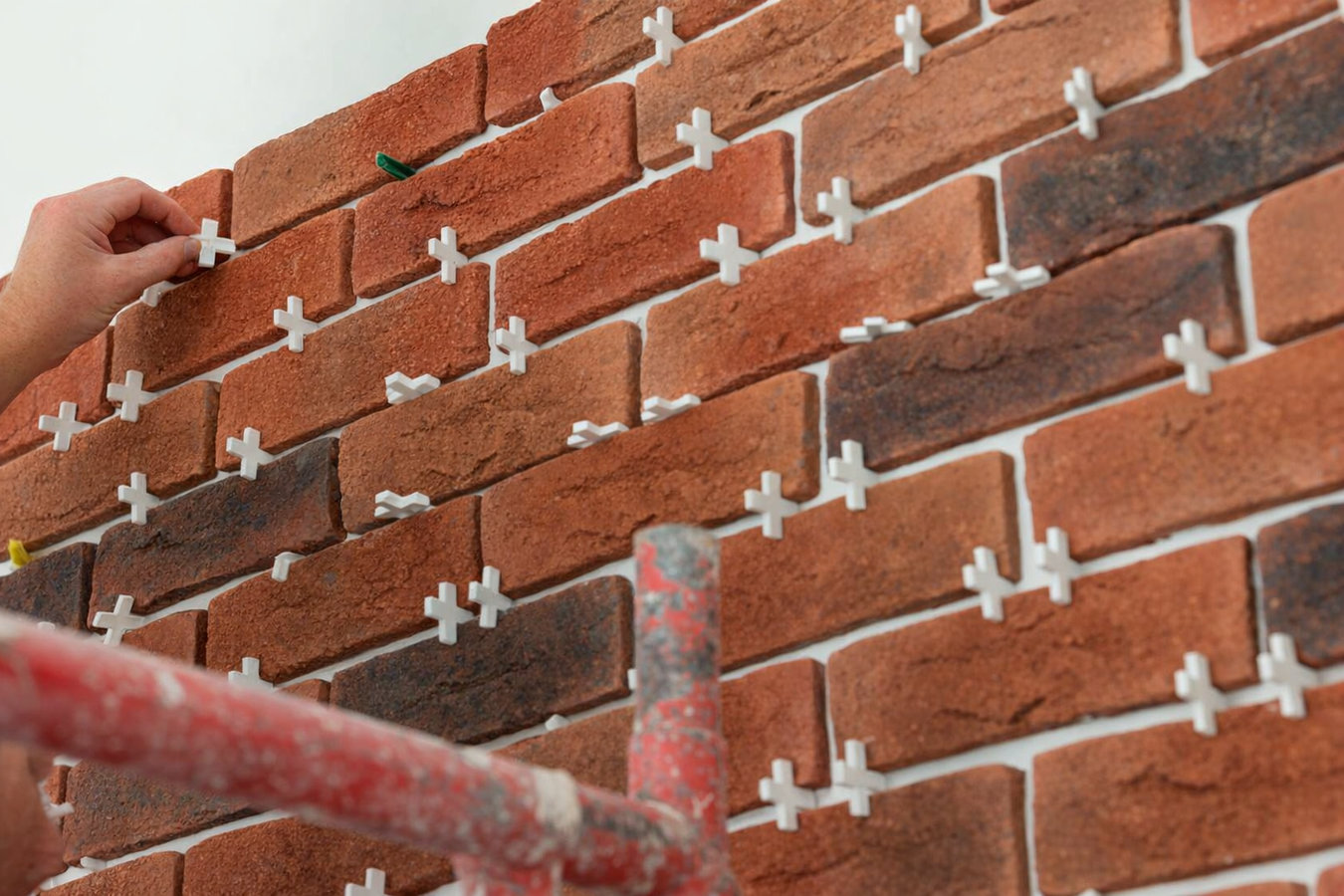
Brick wall installation in Palm Coast means excavating to stable ground in local sandy soil, pouring a correctly sized concrete footing, and laying bricks course by course with steel reinforcement where Florida wind-load requirements call for it. Most residential projects take three to seven working days once the permit is approved and the footing has cured.
Brick is one of the longest-lasting building materials available - a properly installed wall can last 100 years or more with minimal upkeep. But that lifespan depends on two things that are easy to cut corners on: the footing and the mortar joints. In Palm Coast's sandy soil, a shallow or undersized footing lets the wall shift and lean within a few years. In Florida's heat and humidity, mortar that isn't properly tooled and cured lets water in and deteriorates faster than it should. If your project also involves restoring or repairing existing brick on your home, our brick repair service can address damaged sections at the same time so the whole property gets attention in one visit.
Palm Coast Concrete and Masonry handles the full process - site assessment, permit filing with the City of Palm Coast Building Division, footing excavation and pour, bricklaying, cleanup, and the final city inspection before the project is closed out.
If you can see that a wall is no longer standing straight - even slightly - the footing underneath has shifted or the wall was never properly anchored. In Palm Coast's sandy soil this happens more often than homeowners expect, especially with older walls built before current code requirements. A leaning wall is not just an eyesore; it is a safety concern that will not fix itself over time.
Run your finger along the joints on an older wall. If the mortar crumbles easily, feels soft, or is visibly missing in spots, water is already working its way in. In Palm Coast's humid climate and frequent heavy rains, deteriorating mortar leads to water damage inside the wall much faster than it would in a drier region - so this is a sign to act sooner rather than later.
That powdery white residue on brick walls is called efflorescence - salt being pushed to the surface by moisture moving through the wall. In Palm Coast, where humidity is high and rain is frequent, this is a common early warning sign that water is getting in somewhere it shouldn't. Left alone it leads to deeper damage; caught early it usually means targeted repointing or a section of new wall is needed.
Sometimes the sign you need this service isn't damage - it's a project you've been putting off. If you've been thinking about adding a brick wall for privacy, to define your yard, or to create a raised garden bed, Palm Coast's year-round outdoor living climate makes it a worthwhile investment you'll use every month of the year.
Every brick wall project starts with a site visit to assess soil conditions, check for underground utilities, and discuss your goals before we give you a written price. From there we handle permit filing with the City of Palm Coast Building Division, footing excavation and pour, bricklaying with proper joint tooling, weep holes where moisture management requires them, and steel reinforcement where Florida's wind-load code requires it. For projects that involve existing stone or mixed masonry on your property, our stone masonry team can coordinate the work so new and existing materials look consistent across the whole yard.
We also help homeowners navigate HOA design review requirements before the design is locked in - so you don't finish a project and then receive a letter asking you to change it. According to the Brick Industry Association, consistent mortar joint thickness and proper tooling are two of the most reliable indicators of quality brickwork - and both are visible to the homeowner before they sign off on the job. Our brick repair service is available if existing sections of wall need attention while new work is underway.
For homeowners who want a permanent, low-maintenance alternative to wood or vinyl fencing - brick defines your property line and holds its appearance for decades.
Ideal for homeowners who want to add structure to their landscaping - low brick walls contain soil, define garden areas, and add visual weight to flat Florida yards.
For front-of-home features, column bases, or pool deck borders where the goal is curb appeal and a finished look that complements the home's existing masonry.
For walls that are leaning, crumbling at the joints, or damaged after storm season - we assess what can be saved and rebuild what can't, matching existing brick where possible.
Building a brick wall in Palm Coast comes with two challenges that don't show up on most job sites inland: sandy soil that won't hold a shallow footing, and a wind-load code that requires steel reinforcement in most freestanding walls because of the state's hurricane exposure. A contractor who doesn't address both of those things - in writing, before work starts - is either unaware of local conditions or planning to skip steps. We've seen walls in Palm Coast fail within a few years because a crew poured a shallow footing in sandy soil and left out the rebar. Homeowners in Flagler Beach deal with the same sandy soil conditions plus direct coastal salt air that accelerates mortar deterioration, and we apply the same footing depth and curing standards on every project in that area.
Palm Coast also has a higher concentration of HOA-governed neighborhoods than most Florida cities - many in Palm Harbor, Cypress Knolls, and neighboring communities require design pre-approval before a permit can even be filed. The City of Palm Coast Building Division handles permits and inspections for masonry work in the city, and the inspection process adds a valuable layer of independent verification that protects you at resale. Homeowners across Ormond Beach and the wider region trust us for the same permit-compliant, properly reinforced brick work we deliver throughout Palm Coast.
We ask a few basic questions about what you want to build, roughly how long or tall, and whether you have any HOA requirements. We respond within one business day and schedule a site visit - no estimate is given over the phone because soil conditions and site access here vary too much for that to be reliable.
We come to your property, check the soil, measure the space, and discuss your options. You'll get a written estimate that covers materials, labor, permit fees, and cleanup. If a permit is required - which it usually is for brick walls in Palm Coast - we handle the City of Palm Coast Building Division application so you don't have to.
Once the permit is approved, the crew marks the wall location, digs to stable soil, and pours the concrete footing. In Palm Coast's sandy ground this step is especially important and can't be rushed. The footing needs 24 to 48 hours to cure before bricklaying begins - so don't be surprised if the crew leaves after day one with nothing visible above ground.
The crew lays bricks course by course, checking level and plumb as they go. Once brickwork is complete, a city inspector verifies the wall meets code before the permit is closed out. The mortar then needs about a week to reach full strength - we'll tell you exactly how to care for the wall during that period and in the years ahead.
Free on-site estimate. We assess your soil, discuss your design, and give you a written quote with no obligation.
We excavate to stable ground on every project - not a standard depth that works fine in clay but fails in sandy coastal soil. That extra care in the footing is what keeps your wall standing straight ten years from now instead of leaning after the first dry season.
Florida's building code requires freestanding masonry walls to be reinforced for wind loads because of the state's hurricane exposure. We include rebar and proper footing integration on every project that requires it - not as an upsell, but because it's required and it's the right way to build in this part of Florida.
We file all required permits with the City of Palm Coast Building Division before work begins and schedule the city inspection at the end. You can verify Florida contractor licensing through the state's free online database at the Florida Department of Business and Professional Regulation. Permitted work protects you at resale and means an independent official - not just us - has verified the wall is safe.
We ask about your HOA at the first conversation and flag any design review requirements before the design is finalized. Palm Coast homeowners in planned communities have told us this single step - handled early - is what keeps a project from turning into a costly revision after the wall is already built.
Proper footings, code-required reinforcement, permit compliance, and early HOA coordination are not premium add-ons here - they are the baseline for any brick wall that will actually hold up in Palm Coast's conditions and protect your investment at resale.
Prefer natural stone over brick? Our stone masonry service covers garden walls, borders, and accent features using the same proper footing and mortar standards.
Learn MoreIf existing brick on your home or property needs attention alongside new wall work, we can address both in a single coordinated visit.
Learn MorePermit season fills quickly - reach out now to lock in your project date before the summer rush begins.