Loading...
Serving Palm Coast, FL and surrounding areas. (386) 359-8098
Crumbling mortar joints let water into your walls before you notice any damage inside. We remove the old material and repack every joint with salt-air-resistant mortar built for Florida's coastal climate.
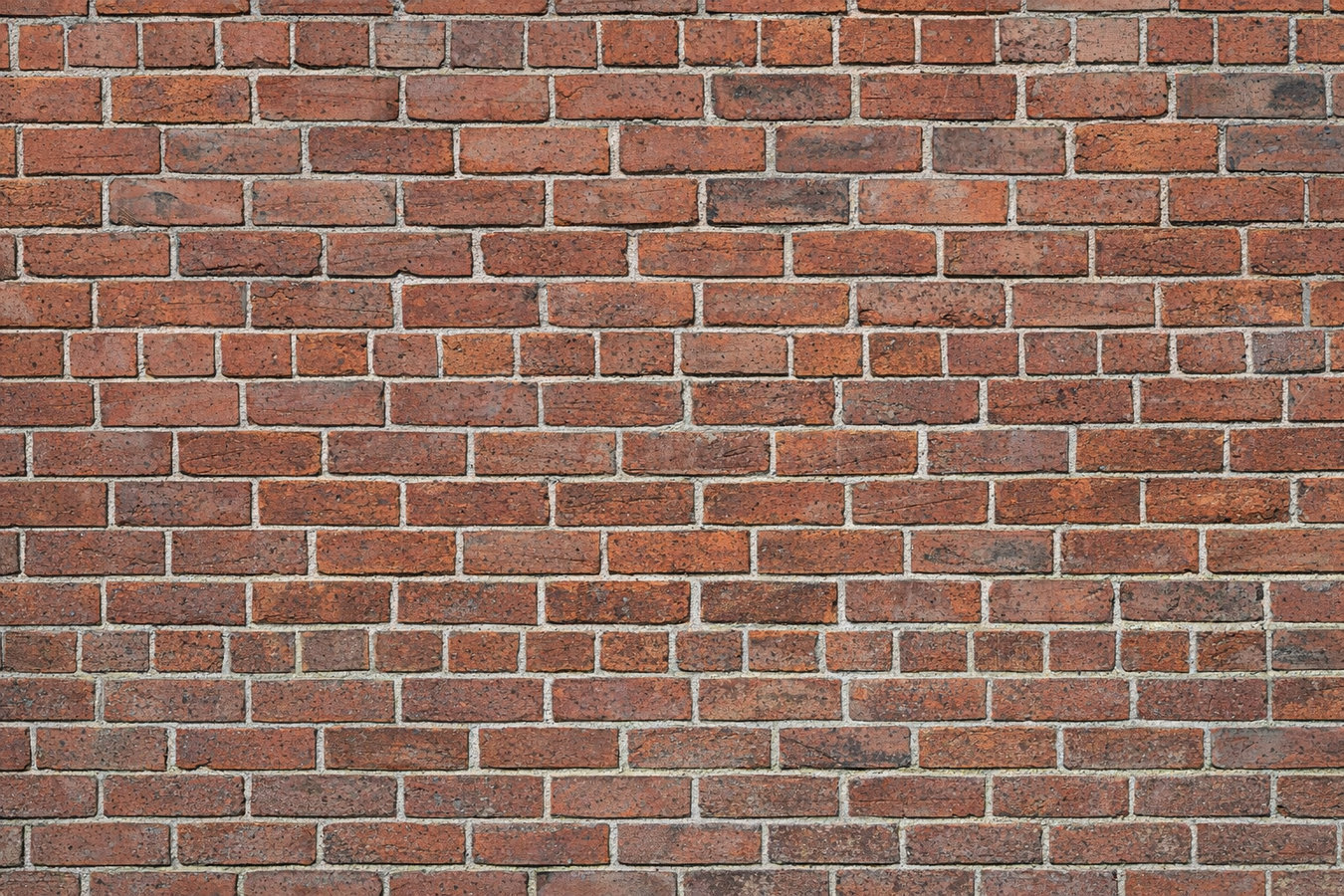
Tuckpointing in Palm Coast means removing deteriorated mortar from the joints between bricks or concrete blocks and replacing it with fresh material - most residential jobs take one to two days and stop water intrusion before it reaches the wall cavity.
Mortar is softer than brick by design - it absorbs movement and moisture so the masonry itself does not crack. That softness also means it wears out, especially when exposed to Palm Coast's salt air and repeated wet-dry cycles. Once the joints open up, water moves fast. If you have noticed white chalky staining on a wall or water marks near a fireplace after heavy rain, failing mortar joints are often the cause.
If the damage has gone further - individual bricks cracking or pulling away from the wall - you may also need brick repair alongside the joint work. We assess both in the same visit.
Stand back and look at the lines between your bricks or blocks. If they appear sunken, crumbly, or show visible voids, the mortar has reached the end of its life. Running a finger along the joint confirms it - if powder comes away or you can dig in with a fingernail, the joints are open to water.
That chalky white film on your brick or block wall is efflorescence - mineral salts pushed to the surface by water moving through the masonry. In Palm Coast's humid, salt-air environment this is a common early signal that moisture is entering through failing joints. It does not always mean severe damage yet, but it does mean the mortar should be inspected before the next rainy season.
Damp spots on an interior wall, water staining near a fireplace, or moisture around a window set into a masonry surround can all point to failing exterior mortar joints. Palm Coast's summer storms push wind-driven rain hard against walls, and even small gaps in the mortar can let in surprising amounts of water. Do not assume it is a roof or window problem until the masonry has been checked.
Chimneys are fully exposed to sun, rain, and temperature swings from both inside and outside. If the mortar on your chimney looks noticeably more worn or recessed than the mortar on a nearby wall, the chimney joints are likely failing first. This is especially common on Palm Coast homes where the chimney faces east or south and gets the most direct salt-air exposure off the Atlantic.
Our tuckpointing work covers chimneys, exterior brick and block walls, retaining walls, decorative veneer, and mailbox columns. We cut out the deteriorated mortar to the right depth - usually around three-quarters of an inch - then hand-pack fresh material and tool each joint to a consistent finish that sheds water. If the joint work reveals underlying brick damage, we handle that through our brick repair service so you are not coordinating two separate contractors.
Many homeowners ask about the difference between tuckpointing and repointing - in practical terms they are the same process. You may also hear the term brick pointing, which refers to the same mortar joint finishing work on decorative brick surfaces where appearance matters as much as waterproofing. We handle all variations using the same careful technique.
Best suited for homeowners whose chimney mortar is visibly worn or recessed and who want to stop water from tracking down into the firebox or ceiling.
Ideal for brick veneer or block walls where efflorescence or soft joints signal that moisture is getting behind the surface.
For homeowners with masonry retaining walls showing open joints that could allow water to undermine the wall's footing over time.
Mailbox columns, entry pillars, and garden walls where color matching and a clean finish matter as much as waterproofing performance.
Palm Coast sits within a few miles of the Atlantic coast, and the salt-laden air that moves inland year-round is hard on mortar joints. Salt crystals work their way into tiny pores in the mortar and, as they expand and contract with temperature changes, slowly break the mortar apart from the inside. That means Palm Coast homeowners often see mortar deterioration faster than inland Florida residents - and it is a reason to inspect your masonry every few years rather than waiting for obvious cracking. Homeowners in Flagler Beach and coastal sections of Palm Coast tend to see this most acutely.
Florida's wet season also creates a narrow repair window. Palm Coast receives roughly 52 inches of rain per year, concentrated between June and September. Fresh mortar needs dry conditions to cure properly - if it gets soaked before it sets, it can crack or wash out. Most experienced local masons prefer to schedule tuckpointing work in the drier months from October through May. If you are in Bunnell or the western sections of Flagler County, the salt-air factor is lower but the wet-season curing window is the same. The best time to book is early fall - before the spring rush when everyone else has the same idea. The Brick Industry Association publishes guidance on mortar selection for different climate zones that informs how we specify mixes for coastal Florida work.
When you reach out, we ask a few basic questions about your masonry type and the size of the problem area. We schedule a time to see the wall in person - tuckpointing is one of those jobs where the condition of the existing mortar has to be seen to be quoted accurately. Most estimates are free and take 20 to 30 minutes on-site. We respond within 1 business day.
We walk the area with you and point out exactly what we see - which joints are failing, whether there is any water damage behind the surface, and whether the job is straightforward or has complications. A trustworthy mason will tell you if some areas are fine and do not need work. You get a written estimate before anything is scheduled.
The crew starts by carefully grinding or chiseling out old mortar to the correct depth - roughly three-quarters of an inch. Then they hand-pack fresh mortar and tool each joint to a consistent finish that sheds water properly. For a chimney or a small wall section, most jobs take one to two days. You do not need to be home, but you are welcome to check in.
Once the mortar work is done, the crew brushes down the wall and removes dust and debris at the base. We walk you around the finished work before leaving and point out what was done. Fresh mortar in Palm Coast's heat needs 24 to 48 hours before it can get wet - we give you specific curing guidance and, if needed, mist the joints lightly to prevent too-fast drying.
Free estimate. No obligation. We respond within 1 business day.
We use mortar mixes suited to the salt-air and high-humidity conditions in Palm Coast - not the same product you would use in an inland climate. That means the repair holds up to the environment your home actually lives in, not just the day it is finished.
Palm Coast has a large number of planned communities with exterior appearance standards. We match mortar color carefully and finish joints to a standard that holds up to HOA inspection - so you are not redoing the work because it did not meet community guidelines.
Florida requires masonry contractors to hold a state license issued by the Department of Business and Professional Regulation. You can verify any contractor's license on the state's online tool. We carry the required license and insurance - ask for our number before signing anything.
We assess the full condition of your wall before we give you a price. If there is water damage behind the surface, you will know about it upfront - not halfway through the job. That means a clear picture of what you are dealing with and a price you can count on.
Every one of these points comes down to the same thing: you get an honest assessment, materials that fit your climate, and a finish that holds. The Mason Contractors Association of America sets the professional standards we work to - so you know the work is done to a recognized benchmark, not just our own judgment.
Fix cracked, chipped, or spalling bricks alongside your mortar joint work for a complete restore.
Learn MorePrecision joint finishing for decorative brick features where appearance is as important as durability.
Learn MorePalm Coast's wet season arrives fast - book now and give the mortar time to cure before the summer storms hit.