Loading...
Serving Palm Coast, FL and surrounding areas. (386) 359-8098
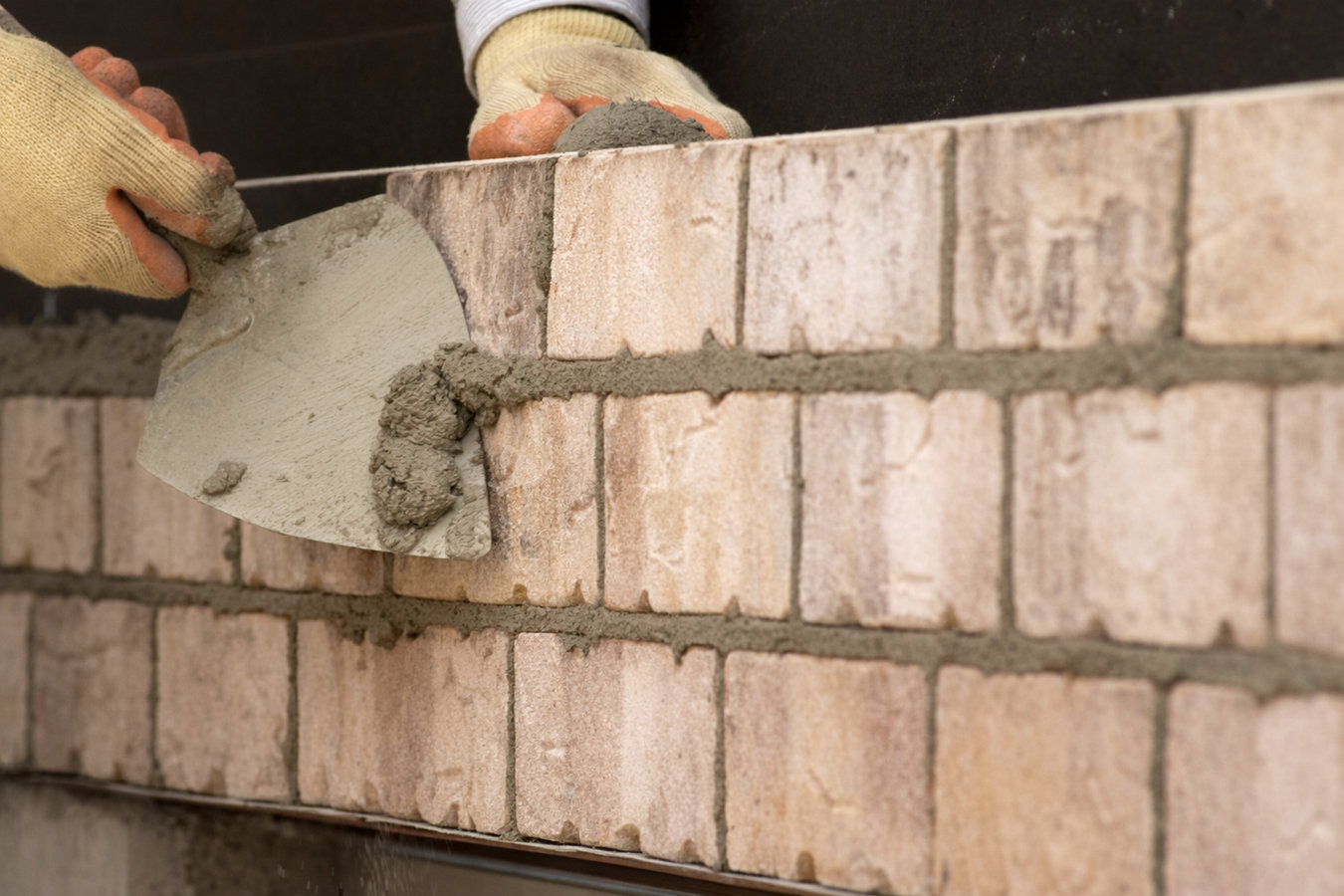
Palm Coast Concrete & Masonry is the masonry contractor Daytona Beach homeowners call for foundation repair, tuckpointing, retaining walls, and stucco work on the concrete block homes built here from the 1950s through the 1980s. We have served Volusia County since 2015 and we know how flat lots, coastal humidity, and aging CBS construction create the repair jobs that come up most often in this city.
Daytona Beach homes sit on flat, low-lying ground close to the Halifax River and the ocean, and sandy soil that absorbs summer storm water and then dries out creates the minor settlement that opens cracks in slabs and block foundations over time. Our foundation repair work addresses those cracks before they allow moisture into the structure, which is especially important in Daytona Beach where standing water after a storm can sit against a foundation for days.
The CBS homes built in Daytona Beach from the 1950s through the 1980s have mortar joints that are now 40 to 70 years old and have been through decades of Florida heat, humidity, and tropical storms. Homes on the beachside barrier island face year-round salt-air exposure that accelerates mortar deterioration beyond what inland homes experience. Tuckpointing replaces that failing mortar before the block face absorbs moisture and begins to spall.
Older CBS homes throughout Daytona Beach - especially in the Midtown neighborhoods and the blocks west of US-1 - have stucco exteriors that have cracked, stained, and separated from the block face after decades of weather. Masonry restoration cleans, patches, and reseals those exteriors without tearing down the original structure, which keeps costs manageable for homeowners on a fixed budget.
Flat Daytona Beach lots with inadequate drainage allow storm water to pool against foundations and yard structures. A properly built concrete block retaining wall holds grade, redirects runoff, and reduces the standing water problem that is one of the most common complaints from homeowners in the low-lying neighborhoods between the Halifax River and the beach.
New concrete block wall construction in Daytona Beach - for property boundaries, privacy enclosures, or utility screens - uses the same CBS system that has been the standard in this part of Florida for decades. Block walls in this coastal climate need properly specified mortar, sealed block face, and good drainage at the footing to prevent the moisture cycling that causes premature failure.
Some of the older residential and commercial properties in Daytona Beach have brick elements - chimneys, accent walls, and entry columns - that need mortar repair and spalling correction to stay structurally sound. In a high-humidity city like Daytona Beach, neglected brick allows moisture to cycle through the masonry every season, and the damage compounds faster than it would in a drier climate.
The majority of Daytona Beach's housing stock was built between the 1950s and the 1980s using concrete block structure - the same CBS method used throughout coastal Florida during that era. Those homes were built to last, and most of them still are - but after 40 to 70 years, the stucco finishes have cracked, mortar joints have eroded, and slabs have undergone the minor settlement that comes from sitting on flat, sandy, low-lying ground for decades. The city is bounded by the Halifax River on the west and the Atlantic Ocean on the east, which means most properties experience some degree of salt-air and moisture exposure depending on their location. Salt air reaches the beachside barrier island properties constantly, and even homes further west pick up coastal humidity year-round. A masonry contractor who works in this environment understands which materials hold up and which fail early, and builds repairs to match the conditions rather than a standard specification written for drier climates.
Daytona Beach also has a high percentage of rental properties and homes owned by long-term residents on fixed incomes - two groups that often have more deferred maintenance than newer-construction suburbs. When repairs finally happen, they sometimes need to address several years of neglect rather than a single recent event. Florida averages more than 55 inches of rain per year in this region, most of it concentrated in the June through September wet season, and homes with poor drainage or failing mortar joints absorb far more of that water than they should. Understanding how moisture moves through an aging CBS home in this climate - and how to stop it without unnecessary work - is what separates a good result from a disappointing one in Daytona Beach.
Our crew works throughout Daytona Beach regularly, and we understand the local conditions that affect masonry work here. Permits for structural masonry work go through the City of Daytona Beach Building Services Division, and we handle the permit process from application through final inspection so homeowners do not have to manage that on their own.
Daytona Beach is defined by the Daytona International Speedway and the busy beachside strip along Atlantic Avenue, but most of the city is made up of ordinary residential neighborhoods with real homeowners dealing with real maintenance problems. The Midtown neighborhoods and the streets west of US-1 tend to have the oldest homes and the most deferred masonry work. The beachside properties face the hardest salt-air conditions. Whether you are near the Speedway, in Midtown, or right on the barrier island, we know what to expect when we arrive at a Daytona Beach property.
We also regularly serve neighboring South Daytona just to the south, which has similar CBS housing stock and the same flat-lot drainage conditions. Jobs that span the Daytona Beach and South Daytona border are handled as one project without requiring separate scheduling or separate estimates.
Call us or submit your project through the contact form and describe what you are seeing - cracks in the slab, failing mortar, damaged block, or a new installation you want priced. We respond within one business day and schedule a site visit at a time that works for you.
We walk the property with you, assess the masonry condition and any drainage factors that affect the repair, and provide a written estimate before any work starts. We explain what we found and why we are recommending the scope we are - no work begins until you review and approve everything in writing.
For structural work that requires a city permit, we pull it in our name through Daytona Beach Building Services before starting. Work proceeds on schedule - most repairs take one to three days, and larger jobs like a retaining wall or foundation stabilization run three to five days.
When work is finished, we clean the site and walk through the completed job with you. We explain what to watch for going forward - how long caulk or mortar needs to cure, when to apply sealant, and what early warning signs to look for before the next storm season arrives.
We serve homeowners throughout Daytona Beach with straightforward written estimates and permitted, inspected work. Call us or submit your project online and we will respond within one business day - no pressure, no obligation.
Daytona Beach is home to about 69,000 residents and serves as the economic center of Volusia County, with major employers including Halifax Health, Embry-Riddle Aeronautical University, and the tourism industry tied to the Daytona International Speedway. The city stretches from the beachside barrier island east of the Halifax River to the quieter inland neighborhoods west of US-1. Housing ranges from small beachside rental units and older bungalows along the Atlantic Avenue corridor to mid-century ranch homes in Midtown and larger residential neighborhoods further west. A significant share of the housing stock was built between the 1950s and the 1980s, giving Daytona Beach one of the older residential building ages in the region.
The city is known worldwide for Bike Week and the Daytona 500, but the people who live here year-round are dealing with the same homeownership concerns as any older Florida city - aging infrastructure, storm exposure, and the ongoing maintenance that comes with concrete block construction in a coastal climate. Volusia County has one of the highest concentrations of residents 65 and older in Florida, and many of those homeowners have been in the same house for decades. Neighboring Ormond Beach borders the city to the north, and South Daytona is immediately to the south - we work across all three communities as part of our regular Volusia County service area.
Install block foundation walls engineered for long-term stability.
Learn MoreWhether your home is on the beachside, in Midtown, or in a neighborhood west of US-1, we provide honest written estimates and permitted work throughout Daytona Beach. Call before the next rainy season puts more pressure on your foundation.